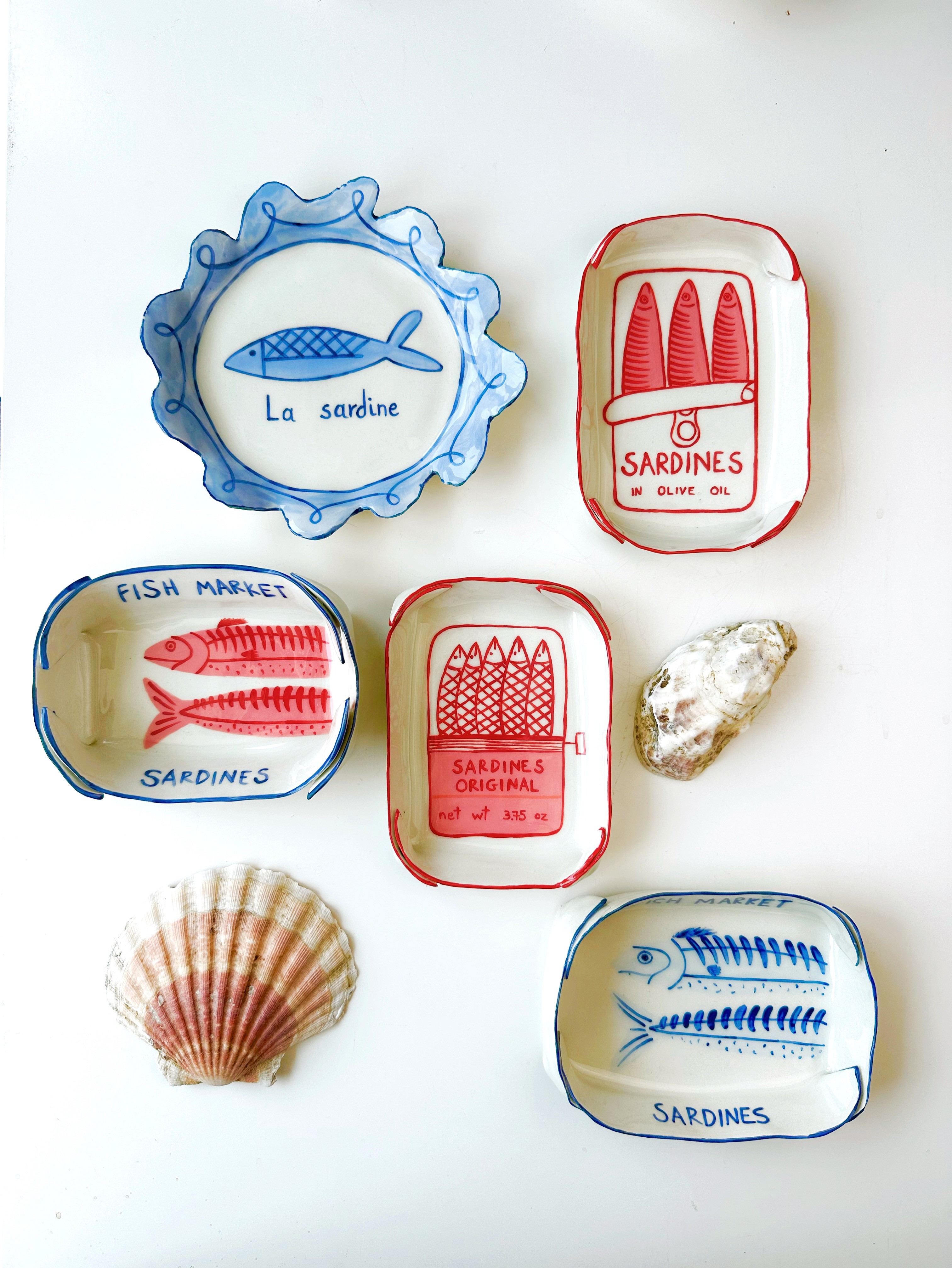
Evi Louka, founder of Urban Pottery in Athens, on clay, memory, and the quiet power of objects that feel like belonging.
There are moments when a material does not simply yield to your hands — it speaks to them. For Evi Louka, the founder of Urban Pottery in Athens, that moment arrived the first time she held clay. "It was like coming home to something I didn't know I was missing," she recalls. "My hands instinctively knew what to do before my mind could catch up." What began as a playful experiment has since grown into an artistic practice that radiates far beyond the borders of Greece.
Urban Pottery is, at its core, a dialogue with the elements. Earth, water, air, and fire form the foundation of every bowl, every cup, every plate that leaves Louka's studio. But to call it craft alone would be to miss the point. It is a visual language — one that captures Mediterranean light, rhythm, and memory. Her pieces are spare, but never silent.
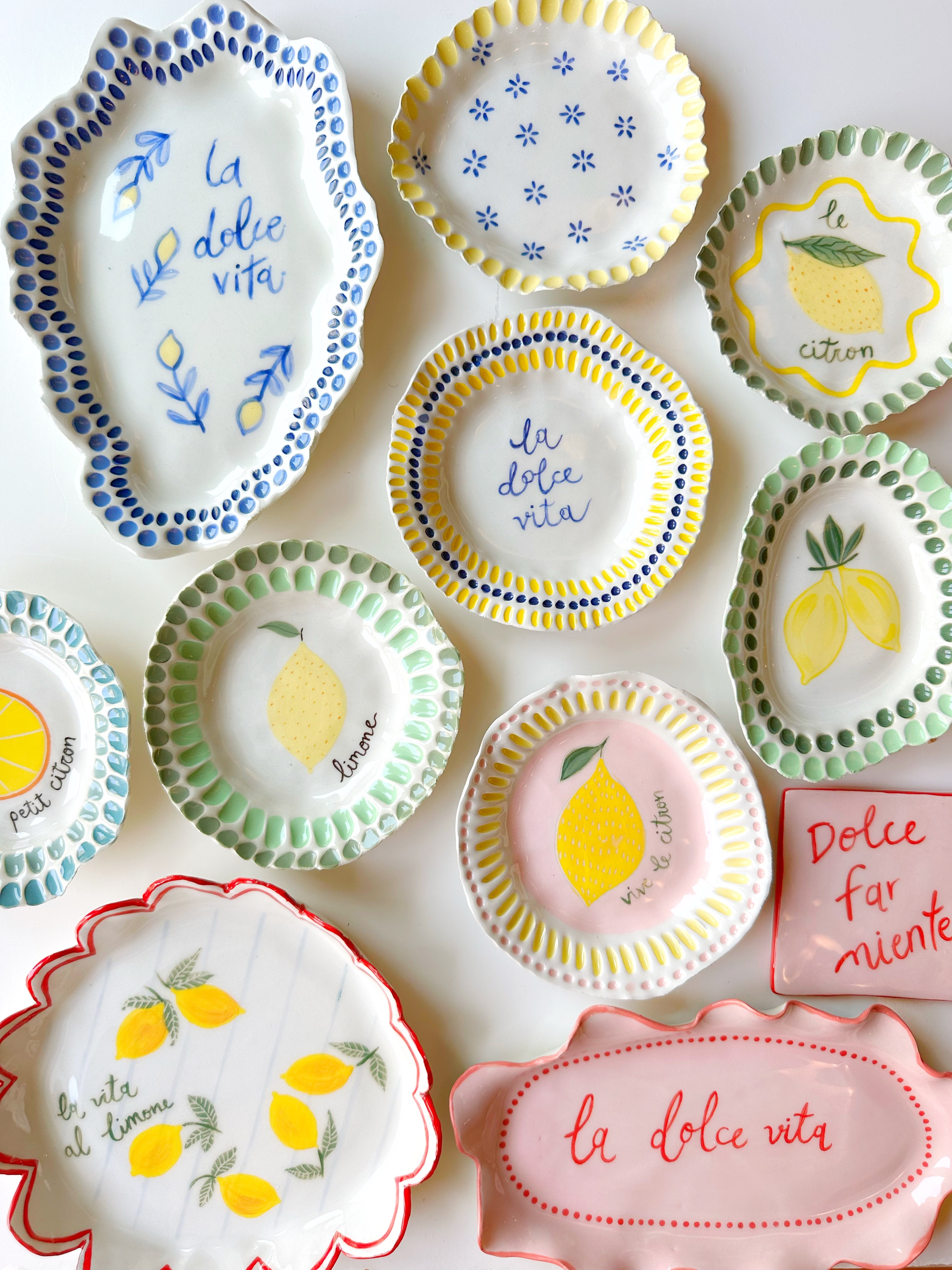
"For me, simplicity does not mean the absence of emotion — it means clarity," Louka explains. "I want the material and the form to speak for themselves." And speak they do. A plate that recalls the warmth of afternoon sun. A bowl that seems to carry the sound of the sea. A mug that settles into the palm as though it were always meant to be there. Inspired by lemons on a table, by the particular blue of a Greek sky, by the faded paint of old shutters, she translates Mediterranean impressions into objects that feel, in an interior context, almost iconic. It is that balance between effortlessness and intention that has made Urban Pottery synonymous with contemporary ceramics that possess something rarer than beauty — soul.
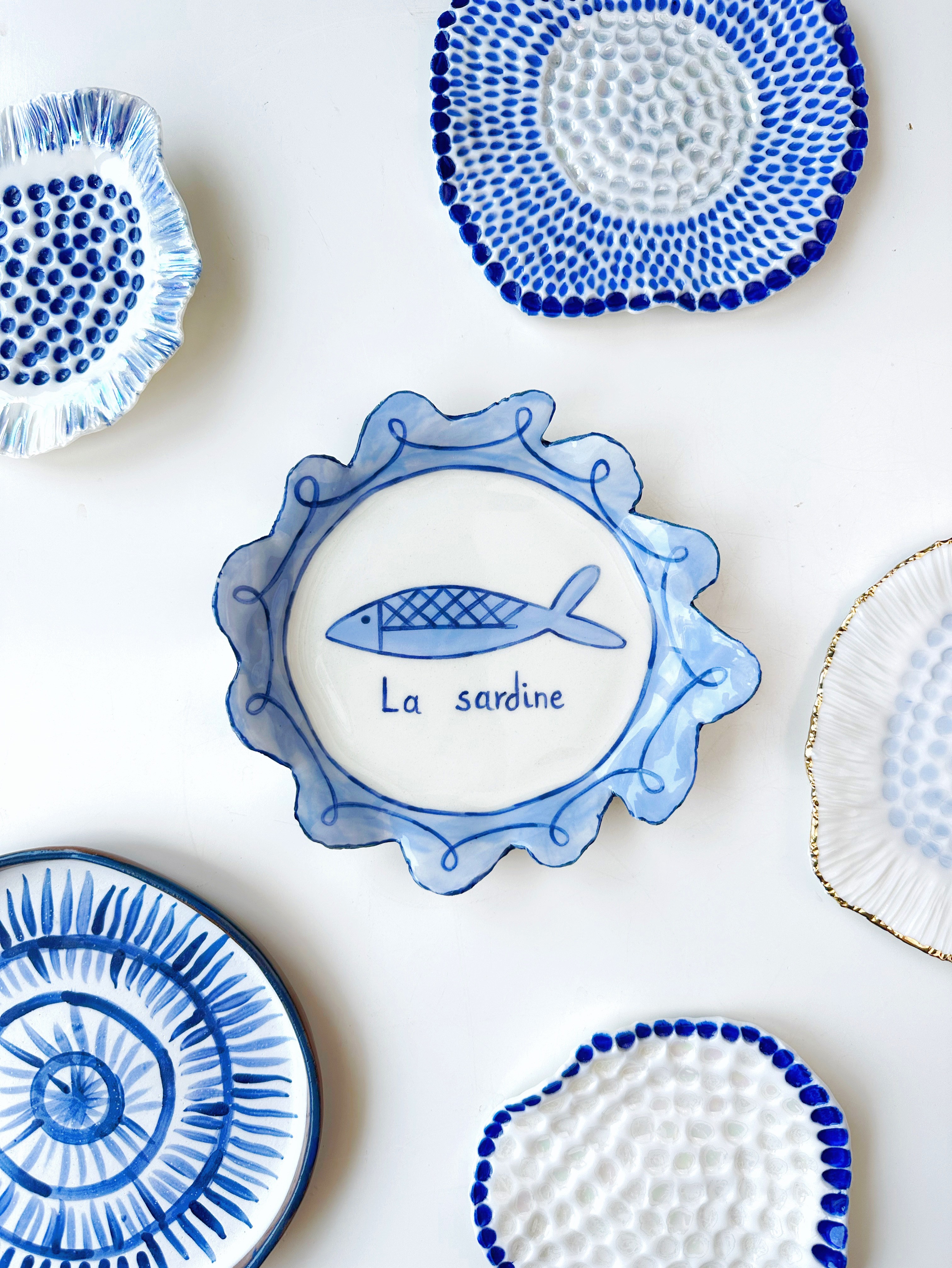
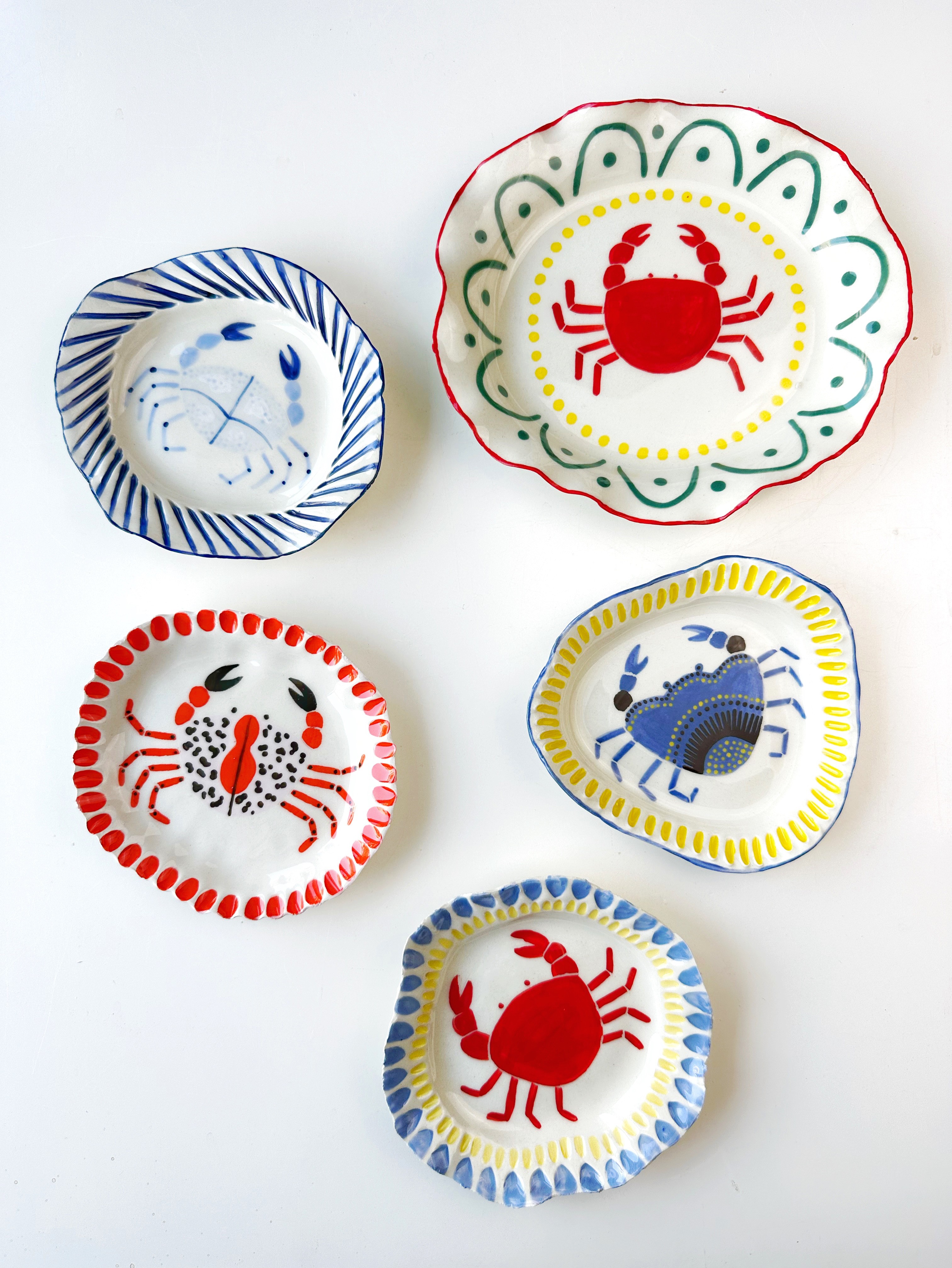
In Greece, clay is part of cultural memory, woven into the fabric of daily life from ancient amphoras to the simple vessels of village kitchens. That Louka's studio sits in a quiet neighbourhood of Athens is no accident. The city has always been a confluence of history and the present moment, and her work carries both. "The salt crystals of the Aegean, the yellow of a market piled high with lemons — all of it finds its way into what I make," she says. "I don't want to imitate. I want to preserve atmospheres." Her pieces are unmistakably contemporary, and yet they carry within them a feeling of history — as though designed to bring a breath of Mediterranean lightness into modern rooms.
The clientele of Urban Pottery spans continents. Athenians who recognise in her pieces the familiar textures of their own daily lives; collectors in New York, Tokyo, and Berlin who use them to bring a fragment of the Mediterranean into their apartments. What unites them is a desire for objects that are not interchangeable — objects that carry stories. One story, in particular, stays with Louka: a couple who commissioned an entire set of plates for their wedding, wanting to bring the energy of the sea to their table.
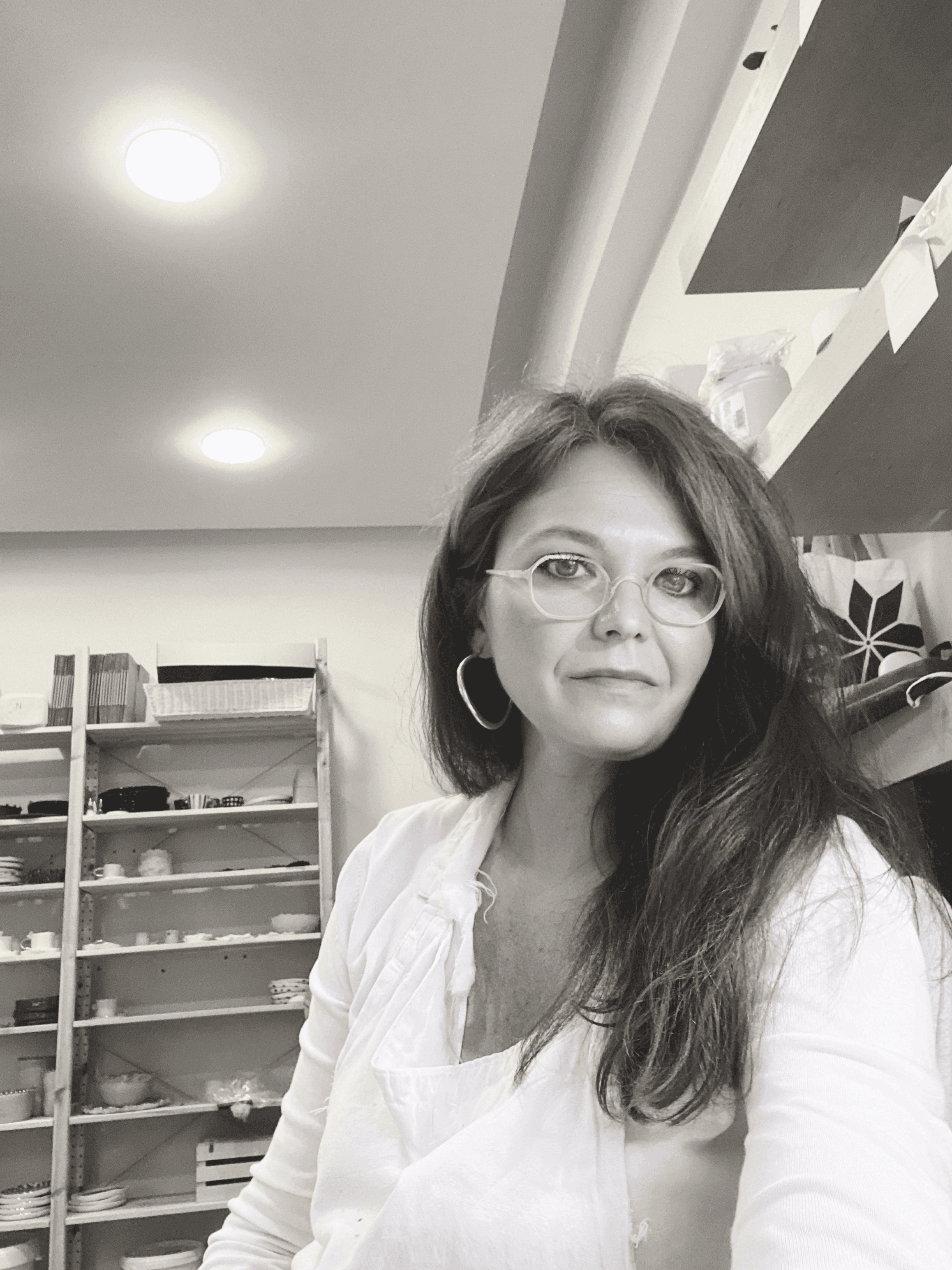
For Evi Louka, ceramics and the concept of home are inseparable. Her objects are not made to sit untouched on shelves, but to be lived with — the cup at morning, the bowl for fruit, the plate that draws people together around a table. Ask her what home means to her personally, and her answer is immediate, unhesitating: love, warmth, belonging.